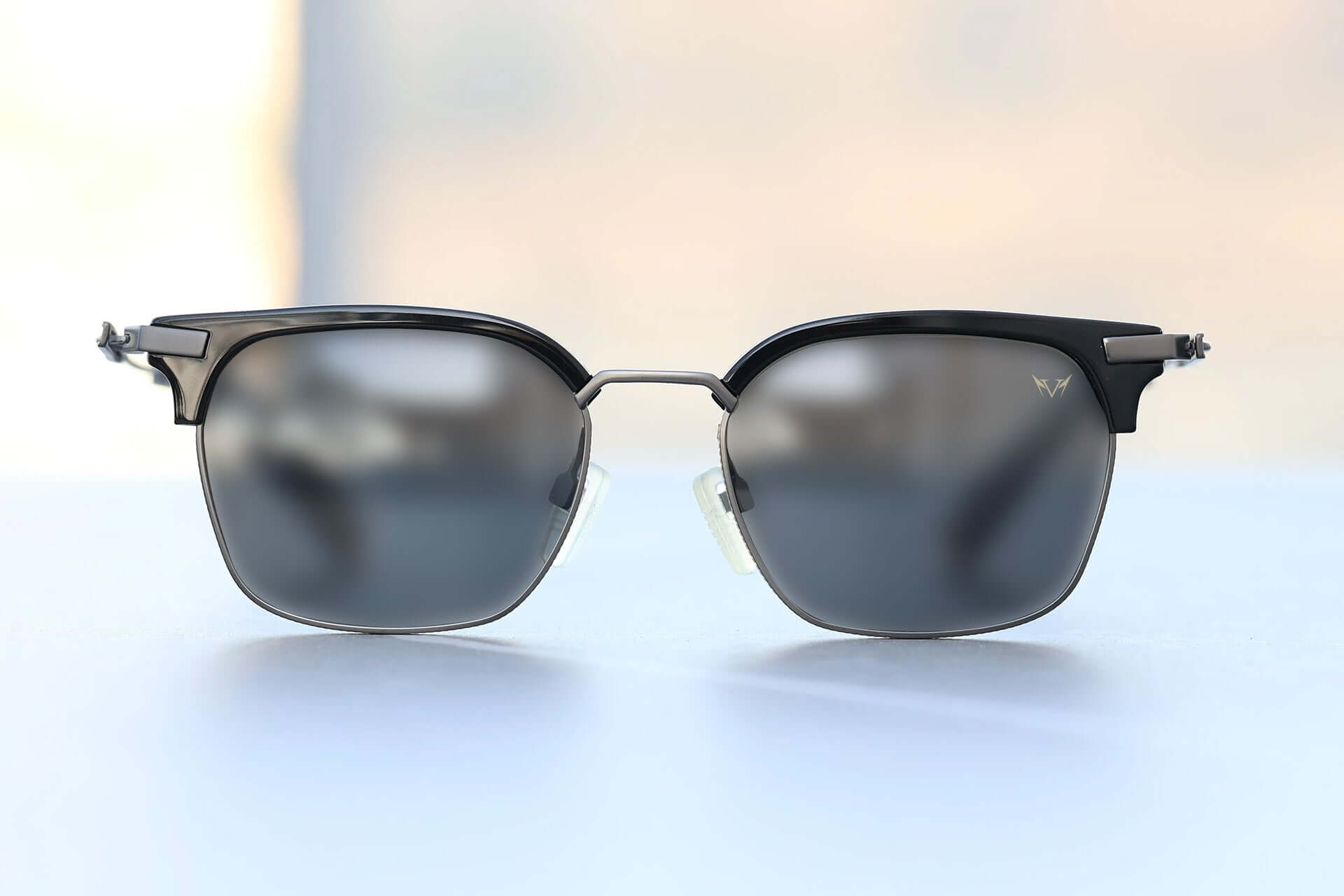


How Sunglasses Should Fit Your Face – Choosing the Right Frame
Sunglasses are most effective when they fit properly. A well-fitted pair not only improves comfort but also ensures that the lenses provide proper protection from sunlight and glare. Choosing the right frame involves understanding how sunglasses should sit on the face and how different frame shapes interact with facial features.
Why Proper Fit Matters
Sunglasses that do not fit correctly can reduce both comfort and performance. Frames that are too tight may cause pressure on the nose and temples, while loose frames may slip and allow light to enter from the sides. A proper fit helps maintain stable positioning, ensuring consistent protection and clear vision.
Fit also affects how often sunglasses are worn. Comfortable sunglasses are more likely to be used regularly, which improves overall eye protection.
Key Areas That Define a Good Fit
A well-fitting pair of sunglasses should sit evenly on the face without tilting. The nose bridge should rest comfortably without pinching or sliding. The temples should extend straight back over the ears without applying excessive pressure.
The lenses should align with the eyes and provide adequate coverage to reduce light entering from above or the sides. Proper alignment ensures that the lenses perform as intended in blocking glare and UV radiation.
Frame Shape and Face Shape
Choosing the right frame shape depends on how it complements facial structure. While personal preference plays a role, certain frame styles tend to balance specific face shapes.
Round faces often benefit from more angular frames, which add definition. Square faces may pair well with softer, curved frames that reduce sharpness. Oval faces are generally versatile and can suit a wide range of styles. Heart-shaped faces often work well with frames that provide balance between the forehead and jawline.
The goal is to achieve visual balance while maintaining comfort and functionality.
Coverage and Eye Protection
Larger lenses or well-contoured frames provide better coverage, reducing the amount of light that reaches the eyes from different angles. This is especially important in bright environments where reflected light can enter from the sides.
Sunglasses should offer enough coverage without feeling oversized or heavy. Balanced design ensures both protection and wearability.
The Role of Frame Materials
Frame material affects both fit and comfort. Titanium frames are lightweight, strong, and resistant to corrosion, making them suitable for long-term daily use. Their structure helps maintain shape while minimizing pressure on the face.
Whereas Acetate frames provide flexibility and a more structured feel, allowing for a secure and comfortable fit. They also offer smooth contact with the skin, which supports extended wear without irritation.
Both materials are suitable for men and women, offering a combination of durability and comfort for everyday use.
Adjustability and Stability
Some sunglasses include adjustable nose pads or flexible hinges that help improve fit. These features allow the frames to adapt to different face shapes, improving stability during movement.
Stable sunglasses stay in place during daily activities such as walking or driving, reducing the need for constant adjustment.
Choosing Sunglasses for Daily Wear
For everyday use, sunglasses should combine proper fit, lens protection, and comfortable materials. A well-balanced frame that sits securely and provides adequate coverage will support consistent wear throughout the day.
At Vanishality, sunglasses are designed with attention to fit, frame construction, and material quality, using options such as titanium and acetate to support comfort and durability across different face shapes.
Final Thoughts
The way sunglasses fit your face directly affects how well they perform. Proper fit ensures comfort, stability, and effective protection from light and glare. By choosing frames that align with your face shape and provide a secure fit, sunglasses become a reliable part of everyday wear rather than an occasional accessory.