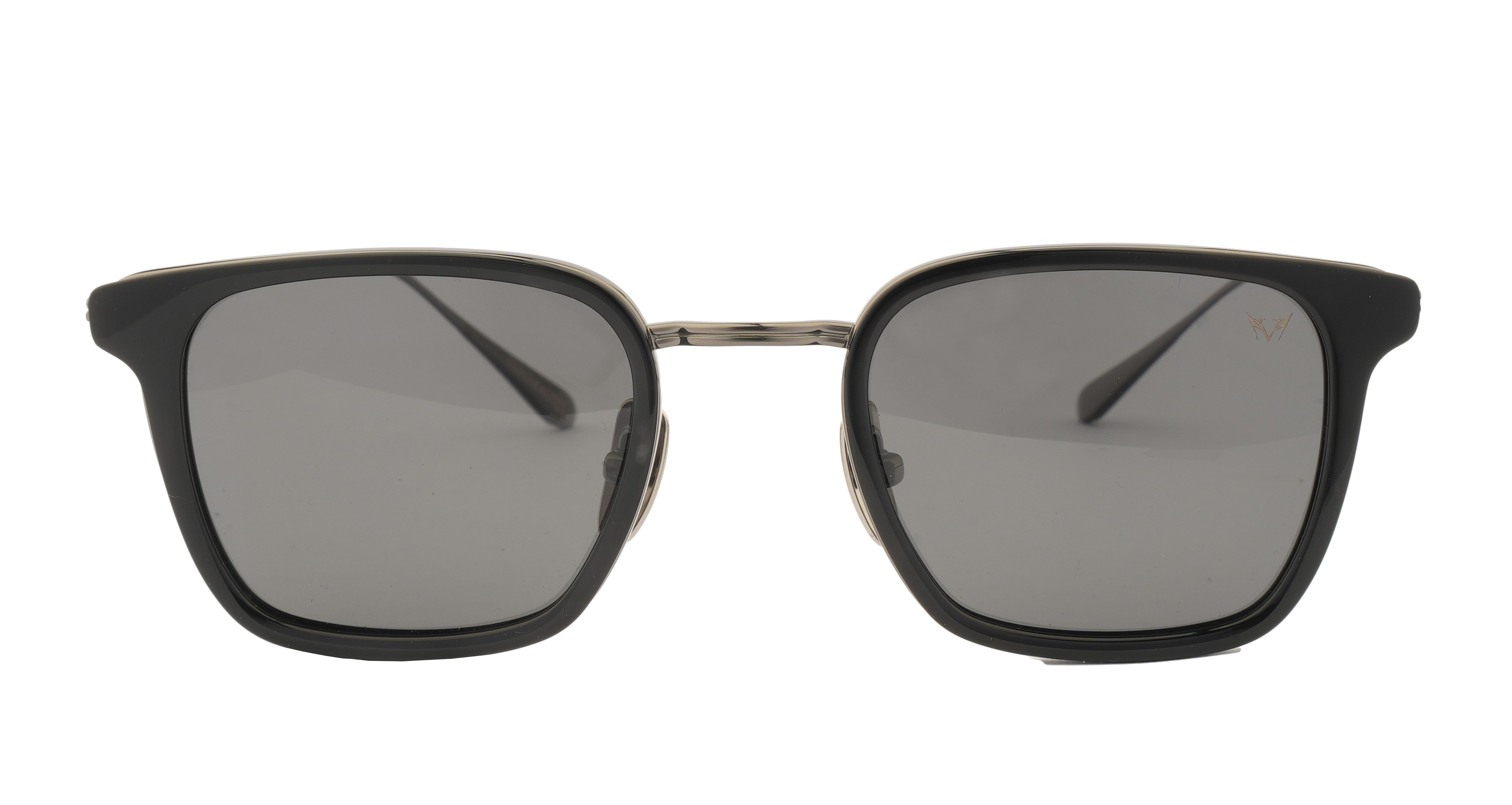

Article: Do Darker Sunglasses Offer Better Eye Protection?
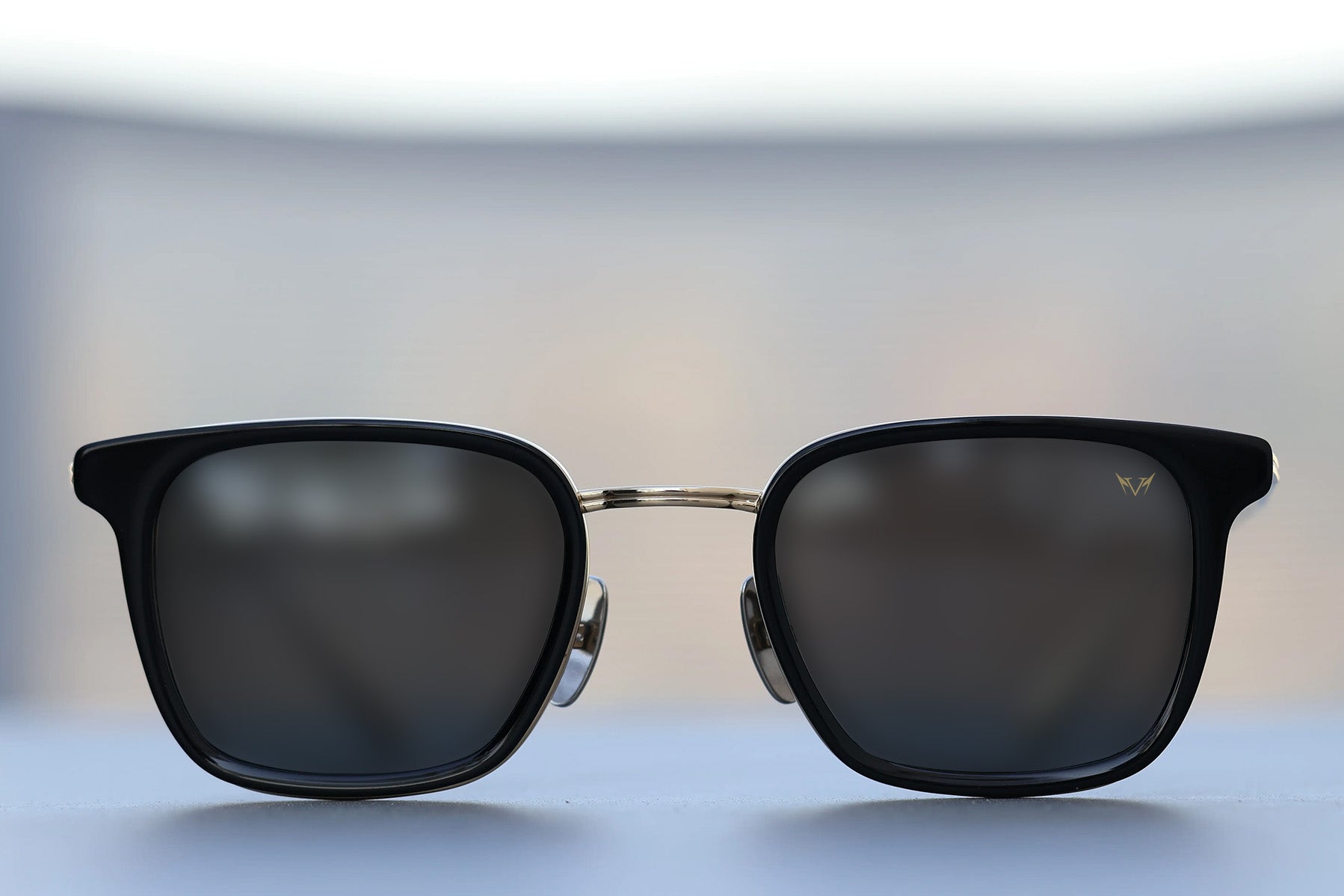
Do Darker Sunglasses Offer Better Eye Protection?
Darker sunglasses do not automatically offer better eye protection. Dark lenses reduce visible brightness, while UV400 or 100% UVA and UVB protection blocks ultraviolet radiation.
This difference matters in Dubai because sunlight, road glare, beach reflection, and outdoor brightness are part of daily life for much of the year. A dark tint can make bright light feel softer, but the lens still needs verified UV protection to protect the eyes properly.
Many buyers confuse darkness with protection. Black, grey, brown, mirrored, and gradient lenses can all feel comfortable in strong sun. The real protection comes from the UV filter, not the visible shade of the lens.
A good pair of sunglasses for Dubai should combine UV400 protection, suitable lens darkness, comfortable frame fit, and enough eye coverage for bright outdoor conditions.
Why Do Dark Sunglasses Feel More Protective?
Dark sunglasses feel more protective because they reduce visible light entering the eyes. Less visible light means less squinting and better comfort in strong sun.
This effect is useful in Dubai’s bright outdoor settings. Roads, glass buildings, pale pavements, beaches, water, and desert surroundings can reflect intense light. Darker lenses can make these conditions easier to tolerate.
The important distinction is simple: comfort is not the same as protection. A lens can feel comfortable in bright sun and still need a verified UV protection label.
What Actually Protects Your Eyes From UV Rays?
UV400 protection or 100% UVA and UVB protection protects the eyes from ultraviolet rays. Lens darkness, lens colour, mirror coating, and polarisation do not prove UV protection by themselves.
When buying sunglasses, look for clear protection wording such as:
- UV400
- 100% UV protection
- 100% UVA and UVB protection
- 99% to 100% UVA and UVB protection
Avoid relying on vague phrases such as “dark tint,” “sun lens,” or “fashion sunglasses.” These phrases describe appearance, not verified UV filtering.
The UV label should be easy to find in the product description, packaging, or lens information.
Why Does This Matter in Dubai?
This matters in Dubai because sunglasses are used in strong sunlight, driving glare, beach reflection, outdoor dining, and everyday commuting. Lens comfort and UV protection both matter in these conditions.
Dubai conditions often include:
- strong daytime brightness
- road glare during driving
- reflection from water and marina areas
- beach glare from sand and sea
- outdoor light around cafés and terraces
- brightness from glass buildings
- open-road and desert glare
For daily Dubai use, sunglasses need more than a dark appearance. They need clear protection information, suitable lens darkness, and enough coverage around the eyes.
Lens Darkness, UV400, Polarisation, and Mirror Coating: What Is the Difference?
Lens darkness, UV400 protection, polarisation, and mirror coating perform different jobs. A good sunglasses choice uses the right combination rather than relying on one feature.
| Feature | What It Does | What It Does Not Do |
|---|---|---|
| Lens darkness | Reduces visible brightness | Does not confirm UV protection |
| UV400 protection | Blocks ultraviolet rays | Does not control style or lens colour |
| Polarisation | Reduces reflected glare | Does not automatically block UV rays |
| Mirror coating | Reflects some visible light | Does not replace UV400 protection |
| Lens colour | Changes contrast and colour perception | Does not prove eye protection |
For Dubai driving, polarisation can help reduce road and windscreen glare. For beach use, polarisation can reduce water reflection. For intense midday brightness, a darker lens or mirror coating can improve comfort.
All of these features still need UV400 protection.
Are Very Dark Sunglasses Better for Driving in Dubai?
Very dark sunglasses are not always better for driving. Driving sunglasses need UV protection, glare control, natural colour recognition, and enough visibility in shade, tunnels, and indoor parking areas.
Dubai driving often includes bright roads, reflective car surfaces, glass buildings, and sudden shifts between sunlight and shade. A lens that is too dark can make shaded areas harder to see.
Good driving sunglasses usually have:
- UV400 or 100% UVA and UVB protection
- grey, brown, or green lenses
- Category 2 or Category 3 tint
- polarisation for glare reduction
- clear traffic light and road sign visibility
- comfortable fit that stays stable while driving
Category 4 lenses are too dark for driving and should not be used on the road.
Are Dark Sunglasses Better for Beach and Outdoor Use?
Dark sunglasses can be better for beach and outdoor comfort, but only when they include UV400 protection. Beach glare, water reflection, and open-sky brightness make both UV protection and visible-light control important.
For Dubai beach days, sunglasses should handle direct sunlight and reflected light from sand and water. A dark tint can reduce brightness. Polarisation can reduce water glare. Larger lenses can improve coverage.
Good beach sunglasses usually include:
- UV400 or 100% UVA and UVB protection
- Category 3 lenses for bright sunlight
- polarisation for water glare
- larger lens coverage
- secure frame fit
- durable lens material
- comfortable bridge and temple fit
Mirrored lenses can also help with brightness near water. The mirror finish should be treated as a comfort feature, not a replacement for UV protection.
What Lens Category Should You Choose?
Lens category explains how much visible light the lens filters, separate from UV protection. For Dubai, Category 3 usually suits everyday bright sunlight, and Category 4 is too dark for driving.
For the complete Category 0–4 guide, see our full lens category breakdown in the sunglasses buying mistakes guide.
Are Black Lenses Better Than Brown, Grey, or Green Lenses?
Black lenses are not automatically more protective than brown, grey, or green lenses. Lens colour affects visual comfort and contrast, while UV400 protection determines ultraviolet filtering.
Black or dark grey lenses often reduce brightness strongly. Grey lenses keep colours more natural. Brown lenses improve contrast and depth. Green lenses balance colour accuracy and glare comfort.
For Dubai use:
- Grey lenses suit driving, daily wear, and natural colour recognition.
- Brown lenses suit contrast, road visibility, and outdoor movement.
- Green lenses suit balanced brightness control and colour accuracy.
- Mirrored lenses suit beach, water, and intense outdoor brightness.
- Amber lenses suit hazy or changing light but may feel too warm for some users.
The darkest colour is not always the best choice. The best lens colour depends on use, comfort, and visibility.
For a deeper comparison, read our guide on sunglasses lens colours.
Can Cheap Dark Sunglasses Be Risky?
Cheap dark sunglasses can be risky when they do not clearly state UV400 or 100% UVA and UVB protection. A dark tint can make the lenses feel protective even when UV filtering is unclear.
Price alone does not prove quality. Some affordable sunglasses have proper UV protection. Some expensive sunglasses may still need label checking. The main issue is unclear product information.
Before buying dark sunglasses, check:
- UV400 or 100% UVA and UVB protection
- lens category
- lens material
- frame fit
- product description
- retailer reliability
- return or exchange options
A buyer should avoid sunglasses when the protection information is missing, vague, or hard to verify.
What Should You Check Before Buying Dark Sunglasses?
Before buying dark sunglasses, check UV protection, lens category, and lens colour. These 3 checks keep the decision focused on the difference between darkness, comfort, and real protection.
-
Check UV protection
Choose UV400 or 100% UVA and UVB protection before judging the lens by darkness. -
Check lens category
Choose Category 2 or 3 for normal outdoor use in Dubai. Avoid Category 4 for driving. -
Check lens colour
Choose grey for natural colour, brown for contrast, green for balance, and mirrored lenses for intense brightness.
Once you understand lens darkness, UV400 protection, and glare control, compare the sunglasses collection by lens category, frame fit, and daily outdoor use.
FAQs About Dark Sunglasses and Eye Protection
Do darker sunglasses mean better UV protection?
Darker sunglasses do not mean better UV protection. UV400 or 100% UVA and UVB labelling confirms ultraviolet filtering.
Are very dark sunglasses bad for your eyes?
Very dark sunglasses are not bad when they include UV protection and suit the activity. Very dark lenses without UV protection can create a false sense of safety.
What is the safest sunglasses lens?
The safest sunglasses lens has UV400 or 100% UVA and UVB protection, suitable visible-light filtering, and enough coverage around the eyes.
Is UV400 better than polarised?
UV400 and polarisation do different jobs. UV400 filters ultraviolet rays. Polarisation reduces reflected glare from roads, water, snow, glass, and water.
What lens category is best for everyday sunglasses in Dubai?
Category 3 often suits everyday sunglasses in Dubai because outdoor sunlight is strong. Category 2 suits moderate daylight. Category 4 is too dark for driving.