

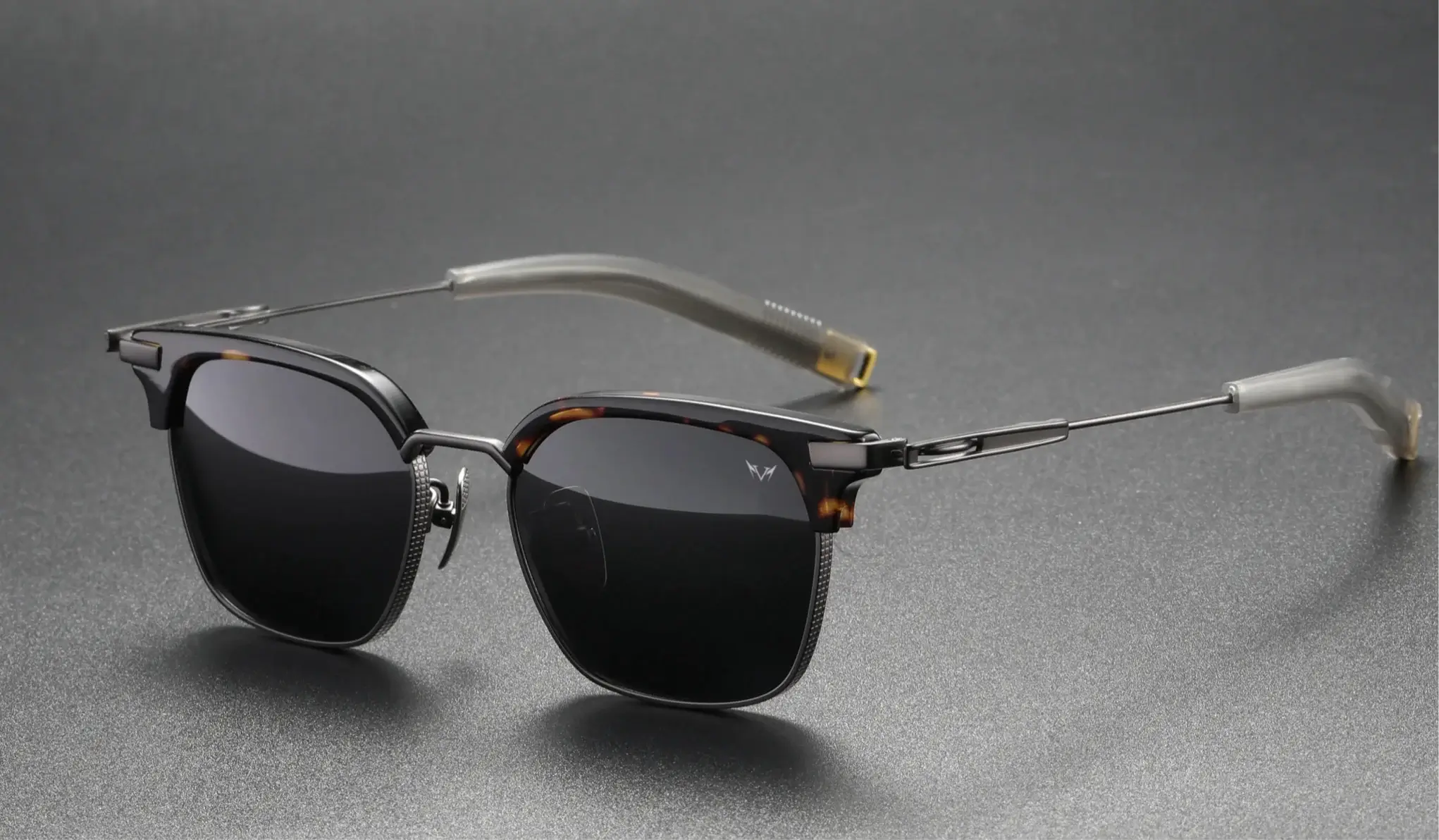
How to Know If Your Sunglasses Are Polarized
Polarized sunglasses are often marketed as a premium feature, but not every pair labeled “polarized” truly delivers glare reduction. In bright environments like the UAE, where sunlight reflects strongly from roads, water, cars, and glass buildings, knowing whether your sunglasses are genuinely polarized is essential for eye comfort and visual clarity. Understanding how polarized lenses work and how to identify them helps you make informed decisions and avoid misleading claims.
What Polarized Sunglasses Really Mean
Polarization refers to the way a sunglass lens manages light rather than simply darkening it. Visible light travels in waves that vibrate in multiple directions. When sunlight reflects off flat or shiny surfaces such as water, asphalt, or glass, those light waves become concentrated horizontally, creating intense glare. This glare is one of the main causes of eye strain, reduced contrast, and visual discomfort.
Polarized lenses are designed to block this horizontal glare. They contain a specialized polarizing filter, often applied as a chemical film or laminated between layers of lens material. This filter allows vertically oriented light to pass through while reducing horizontally reflected light. As a result, polarized sunglasses improve clarity, enhance contrast, and create a more comfortable viewing experience without distorting colors.
Why Glare Reduction Matters for Eye Comfort
Glare is more than just an inconvenience. Prolonged exposure to reflective light can lead to squinting, eye fatigue, headaches, and reduced depth perception. This is especially noticeable while driving, walking outdoors, or spending time near water. Polarized sunglasses address this issue by minimizing reflective brightness while maintaining visual sharpness.
For people living in sunny climates or urban environments with reflective surfaces, polarization becomes a functional necessity rather than a luxury. It supports visual comfort during long hours outdoors and enhances safety by improving visibility.
How to Check If Your Sunglasses Are Polarized
One of the easiest ways to identify polarized sunglasses is by observing how they interact with reflective surfaces. When wearing polarized lenses and looking at a shiny horizontal surface such as a car hood or glass table, tilting your head slightly can cause the glare to noticeably increase or decrease. This change in brightness occurs because polarized lenses are aligned to block reflected light at specific angles.
Another effective method involves digital screens. Most smartphone and computer displays use polarization technology themselves. When you look at a screen while wearing polarized sunglasses and slowly tilt your head, parts of the display may darken or become temporarily invisible. This interaction confirms the presence of a polarizing filter in the lenses.
Some new sunglasses also include polarization test stickers. Viewing these stickers through the lens at an angle often causes them to appear darker if the lenses are polarized. Additionally, when two polarized lenses are overlapped and rotated against each other, the overlapping area typically darkens significantly, confirming polarization in both lenses.
The Difference Between Polarization and UV Protection
Polarization and ultraviolet protection are often confused, but they serve different purposes. Polarization reduces glare caused by reflected visible light, while UV protection blocks harmful ultraviolet rays that can damage eye health over time. A pair of sunglasses can be polarized without offering full UV protection, which is why it is important to choose lenses that provide both features.
High-quality sunglasses should clearly state 100% UV or UV400 protection in addition to polarization. Together, these features protect your eyes from long-term sun damage while improving day-to-day visual comfort.
Can Polarized Sunglasses Be Prescribed?
Polarized lenses are available in prescription formats for most vision needs. The polarizing filter can be applied to corrective lenses or embedded between lens layers during manufacturing. This makes polarized prescription sunglasses suitable for everyday wear, driving, and outdoor activities without compromising vision accuracy.
Who Benefits Most From Polarized Sunglasses
Polarized sunglasses are especially beneficial for drivers, outdoor enthusiasts, beachgoers, and anyone exposed to strong sunlight and reflective environments. They are commonly preferred by people who spend time near water, on roads, or in urban areas with glass-heavy architecture. However, they are equally valuable for everyday use, offering comfort and clarity during routine outdoor activities.
Choosing the Right Polarized Sunglasses
When selecting polarized sunglasses, it is important to consider lens quality, polarization authenticity, UV protection level, and overall comfort. High-quality polarized lenses maintain optical clarity while reducing glare, and well-designed frames ensure stable wear throughout the day. Choosing trusted brands and clearly specified lens features helps ensure you receive the intended visual benefits.
At Vanishality sunglasses are designed to balance modern style with functional lens technology, making them suitable for both fashion-forward wear and practical sun protection.
Final Thoughts on Identifying Polarized Sunglasses
Knowing how to identify polarized sunglasses empowers you to choose eyewear that truly enhances vision and comfort. By understanding how polarization works and how lenses interact with light, screens, and reflective surfaces, you can confidently verify lens quality before or after purchase. In bright and reflective environments, polarized sunglasses are not just an accessory but an essential component of everyday eye care.