
Best Lens Colours for Sunglasses: A Complete Tint Guide
Lens colour changes how sunglasses control brightness, contrast, glare, colour perception, and visual comfort. The best lens colour depends on where the sunglasses are worn, how much light is present, and whether the wearer needs natural colour, sharper contrast, or stronger glare control.
Many people choose sunglasses by frame shape first. Lens colour deserves the same attention. Grey, brown, green, amber, copper, yellow, rose, blue, and mirrored lenses all affect vision in different ways. Some lens colours reduce brightness without changing natural colour. Others increase contrast in hazy, cloudy, or variable light.
Lens colour does not confirm UV protection. A dark lens can reduce visible brightness without blocking ultraviolet radiation. Proper sunglasses need UV400 or 100% UVA and UVB protection, regardless of whether the lens is grey, brown, green, amber, or mirrored.
In this blog we will explore the best lens colours for sunglasses, how each tint works, and which colour suits driving, beach days, travel, sports, and everyday wear.
What Does Sunglass Lens Colour Do?
Sunglass lens colour controls visible light, contrast, glare comfort, and colour perception. It changes how the eye sees brightness, depth, shadows, and surrounding objects in different light conditions.
Visible light enters the eye through the pupil and reaches the retina. Sunglass lenses filter part of that visible light before it reaches the eye. A grey lens reduces brightness evenly. A brown lens increases contrast. A yellow lens brightens low-light scenes. A green lens balances glare reduction with colour accuracy.
Lens colour affects 4 main viewing factors:
- Brightness control: Darker or denser tints reduce visible light and make bright outdoor spaces more comfortable.
- Contrast enhancement: Brown, amber, copper, yellow, and rose lenses increase contrast by filtering selected light wavelengths.
- Colour accuracy: Grey and green lenses preserve more natural colour perception than warm tints.
- Visual comfort: The right tint reduces eye strain in sunlight, haze, snow glare, water glare, and changing outdoor light.
Lens colour improves comfort, but UV protection protects eye health. A good pair of sunglasses combines the right tint with proper UV filtering.
Which Lens Colour Is Best for Sunglasses?
Grey is the best all-round lens colour for sunglasses because it reduces brightness while keeping colours close to natural. Brown and green also work well for daily use because they add contrast and maintain comfortable vision.
There is no single best lens colour for every person. The right choice depends on activity, light level, and visual priority. Drivers often prefer grey, brown, or green lenses. Beach users often prefer grey, green, or polarised brown lenses. Outdoor sports users often choose brown, amber, copper, or rose lenses because these tints improve contrast.
A simple rule works for most buyers:
- Choose grey for natural colour and bright sunlight.
- Choose brown for contrast and depth.
- Choose green for balanced colour and glare control.
- Choose amber or copper for cloudy, hazy, or changing light.
- Choose yellow for low light, not strong sun.
- Choose rose for snow, trails, or variable terrain.
- Choose blue or mirrored lenses for brightness control and style, but check UV protection first.
Are Grey Sunglass Lenses Good?
Grey lenses are good for everyday sunglasses because they reduce brightness without changing colours heavily. They suit driving, walking, beach use, travel, and general outdoor wear.
Grey lenses filter visible light evenly across the colour spectrum. This makes them useful when accurate colour recognition matters. Traffic lights, road signs, clothing colours, and natural scenery remain closer to their real appearance.
Grey lenses suit:
- Bright sunlight
- Open roads
- Beach environments
- City walking
- Outdoor travel
- Everyday wear
Grey sunglasses also reduce visual fatigue because the eyes receive less intense light. They are a strong choice for people who want one pair of sunglasses for multiple settings.
The limitation is contrast. Grey lenses reduce brightness, but they do not enhance depth and detail as much as brown, amber, or copper lenses. A person who drives in hazy conditions or plays outdoor sports may prefer a warmer tint.
Are Brown Sunglass Lenses Good?
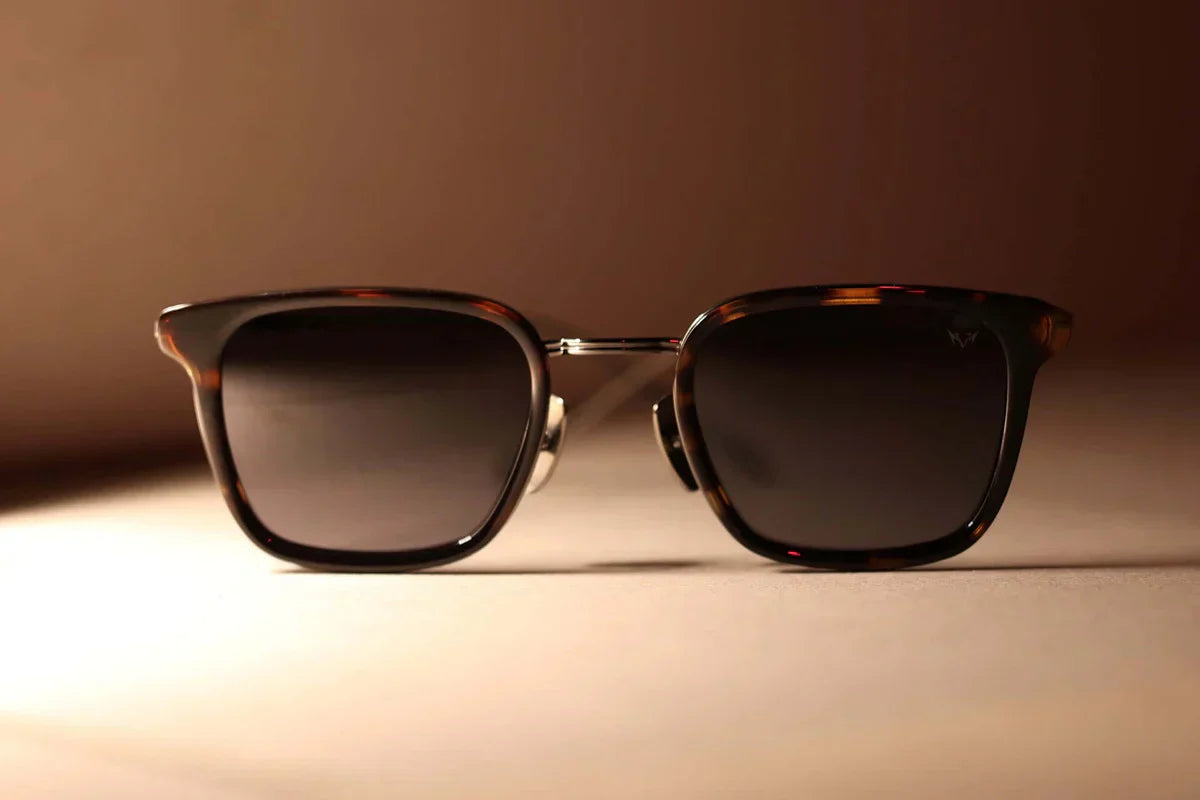
Brown lenses are good for contrast, depth perception, and variable outdoor light. They make edges, shadows, and surface details easier to see in bright or partly cloudy conditions.
Brown lenses reduce blue light more than grey lenses. This increases contrast and gives the view a warmer tone. Brown sunglasses often suit people who want sharper ground detail, better distance perception, and improved visual definition.
Brown lenses suit:
- Driving
- Hiking
- Golf
- Fishing
- Travel
- Bright and hazy days
- General outdoor use
Brown lenses can slightly change colour perception. White surfaces may look warmer. Blue objects may look less intense. This trade-off gives many wearers better contrast but less neutral colour accuracy.
For everyday use, brown lenses suit people who prefer a warmer visual field and stronger detail recognition.
Are Green Sunglass Lenses Good?
Green lenses are good for balanced sunglasses because they reduce glare, preserve colour better than brown lenses, and provide more contrast than grey lenses.
Green lenses sit between grey and brown in visual performance. They reduce brightness without making the environment look too warm or too cool. They also improve contrast enough for outdoor movement, urban use, and travel.
Green lenses suit:
- Driving
- Walking
- Golf
- Tennis
- City use
- Bright outdoor conditions
- Mixed sunlight and shade
Green lenses give sunglasses a classic look and practical visual balance. They suit wearers who want natural colour, moderate contrast, and less harsh brightness.
The main limitation is low-light contrast. Green lenses may not sharpen detail as strongly as amber, copper, or yellow lenses in dim or overcast settings.
Are Amber and Copper Sunglass Lenses Good?
Amber and copper lenses are good for contrast because they sharpen details in cloudy, hazy, and changing light. They suit outdoor activities where depth and surface texture matter.
Amber and copper lenses increase warm tones and reduce some blue light. This makes objects appear more defined against the background. The visual field becomes warmer, and contrast improves in uneven light.
Amber and copper lenses suit:
- Hiking
- Trail walking
- Cycling
- Golf
- Fishing
- Cloudy days
- Hazy roads
- Outdoor sports
These lenses help the eye separate shadows, surface texture, and distant objects. They can make grass, sand, gravel, water edges, and road surfaces easier to read.
The limitation is colour distortion. Amber and copper lenses do not preserve natural colour as accurately as grey or green lenses. They prioritise contrast over colour neutrality.
Are Yellow Sunglass Lenses Good?
Yellow lenses are good for low-light contrast, but they are not ideal for strong sunlight. They brighten the visual field and help objects stand out in overcast, foggy, or dim conditions.
Yellow lenses allow more visible light to pass through than darker sunglass tints. This makes them useful in weak light, but less suitable for intense midday sun. They can increase contrast during dawn, dusk, fog, or indoor sports.
Yellow lenses suit:
- Overcast weather
- Foggy conditions
- Early morning light
- Low-light cycling
- Shooting glasses
- Some indoor sports
- Snow conditions with flat light
Yellow lenses are not the best choice for beach days, desert sun, or strong summer sunlight. In bright conditions, they can allow too much visible light and cause discomfort.
Are Rose or Pink Sunglass Lenses Good?
Rose lenses are good for contrast in variable light because they help define shapes, shadows, and terrain changes. They suit outdoor sports, snow, trails, and partly cloudy conditions.
Rose and pink lenses can improve visual comfort when the environment shifts between sun and shade. They can also help the eye detect surface changes on snow, paths, and uneven ground.
Rose lenses suit:
- Skiing
- Snowboarding
- Trail walking
- Cycling
- Running
- Cloudy outdoor days
- Mixed light conditions
Rose lenses change natural colour more than grey or green lenses. They are useful for performance and comfort, but they are not the most neutral option for daily colour accuracy.
Are Blue Sunglass Lenses Good?
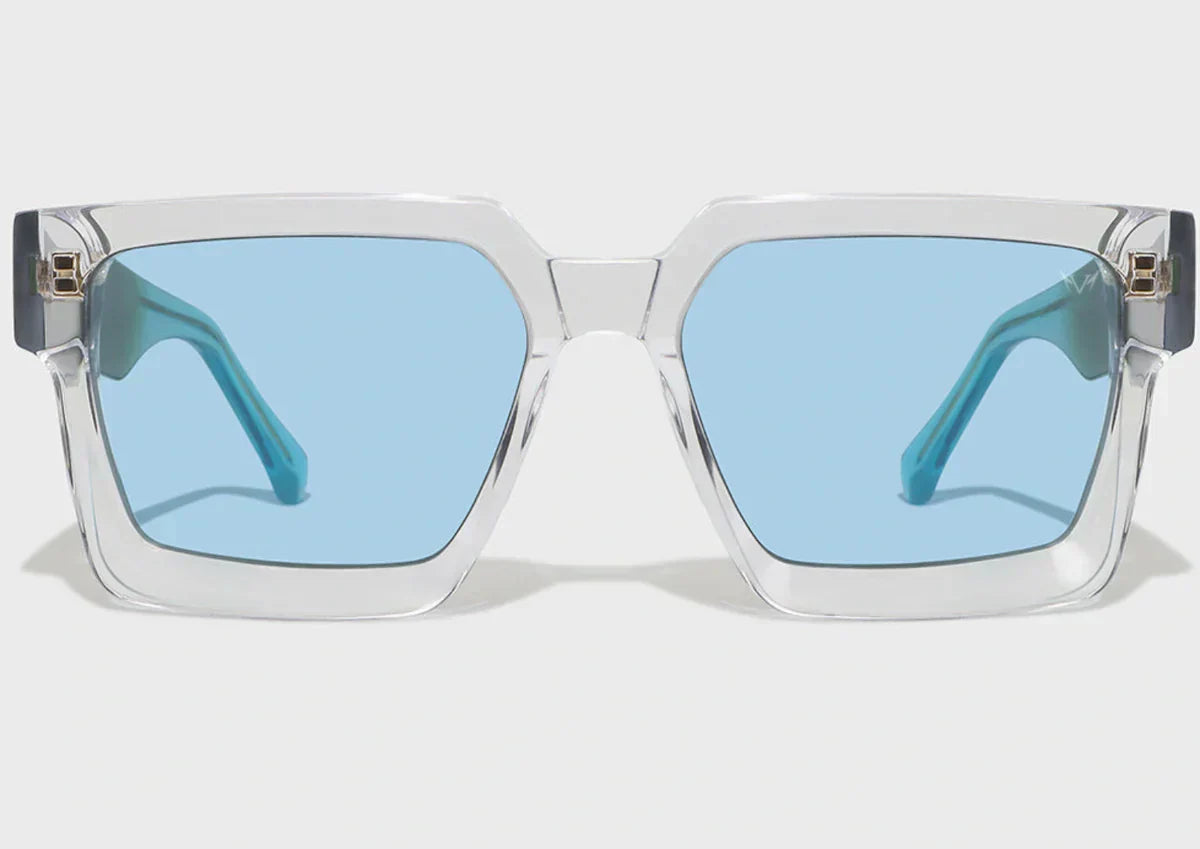
Blue lenses can reduce brightness and add a cool visual tone, but they are not the strongest choice for contrast or natural colour. Their value depends on lens quality, UV protection, and coating.
Blue lenses often appear in fashion sunglasses and mirrored sunglasses. Some blue lenses have a blue mirror coating over a grey, brown, or green base lens. The base tint matters more than the outer mirror colour.
Blue lenses suit:
- Bright outdoor style use
- Beachwear
- Snow glare with proper coatings
- Fashion-led sunglasses
- Casual city wear
Blue lenses can change colour perception. They may reduce contrast compared with brown, amber, or copper lenses. A buyer choosing blue lenses should check UV400 protection and visible light comfort before relying on colour alone.
Are Mirrored Sunglass Lenses Better?
Mirrored lenses reduce the amount of visible light entering the eye by reflecting light away from the lens surface. They help in bright environments, but mirror coating does not replace UV protection.
A mirror coating can sit on many base lens colours. A silver mirror may sit on a grey base. A gold mirror may sit on a brown or amber base. A blue mirror may sit on a grey or green base.
Mirrored lenses suit:
- Beach light
- Water reflection
- Snow reflection
- Desert sun
- High-glare travel
- Outdoor summer use
The mirror coating mainly affects brightness and glare comfort. The base tint still controls contrast, colour perception, and visual warmth.
Mirrored sunglasses need scratch-resistant care because mirror coatings can show marks more clearly than standard tinted lenses.
What Lens Colour Is Best for Driving?
Grey, brown, and green lenses are best for driving because they reduce brightness while keeping road signs, traffic lights, and vehicle movement clear.
Driving sunglasses need visual comfort, glare control, and colour recognition. Grey lenses keep colours neutral. Brown lenses improve contrast on hazy roads. Green lenses balance colour accuracy with moderate contrast.
Good driving lens colours include:
- Grey lenses for true colour recognition and bright sunlight.
- Brown lenses for contrast, depth, and changing light.
- Green lenses for balanced glare control and natural colour.
Yellow lenses can help in low light, but they are not ideal for bright daytime driving. Very dark lenses can reduce visibility in tunnels, shaded roads, and evening light.
Polarised lenses can reduce glare from roads, windscreens, and reflective surfaces. Some digital dashboards and screens may appear darker through polarised lenses, so drivers should test screen visibility before regular use.
What Lens Colour Is Best for the Beach?
Grey, green, and brown lenses are best for the beach because they reduce bright light from sand, water, and open sky. Polarised lenses add stronger glare control near reflective surfaces.
Beach environments create intense visible brightness. Water reflects sunlight. Pale sand increases glare. Open spaces expose the eyes to direct and reflected light.
Best beach lens colours include:
- Grey for natural colour and strong brightness reduction.
- Green for balanced contrast and comfort.
- Brown for warmer contrast and better depth.
- Mirrored grey or mirrored brown for intense sunlight.
Polarisation matters at the beach because it reduces horizontal glare from water and wet surfaces. UV protection matters more than colour because ultraviolet exposure can reach the eyes directly and through reflection.
What Lens Colour Is Best for Travel?
Grey, brown, and green lenses are best for travel because they cover the widest range of light conditions. These colours work across airports, roads, beaches, city streets, and outdoor attractions.
Travel sunglasses need versatility. A traveller may move from bright streets to shaded cafés, from road glare to coastal light, or from city walking to outdoor sightseeing.
Best travel lens colours include:
- Grey for one-pair simplicity.
- Brown for sightseeing contrast.
- Green for all-day visual balance.
- Amber for cloudy destinations and outdoor movement.
A travel lens should also include UV400 protection, durable lens material, a comfortable frame, and a tint density suitable for the destination. Lens colour improves comfort, while protection, fit, and coverage support eye safety.
What Lens Colour Is Best for Sports?
Brown, amber, copper, rose, and yellow lenses are best for sports because they improve contrast, depth, and object recognition in changing light.
Sports require quick visual decisions. A cyclist reads road texture. A golfer tracks grass contours. A runner sees trail edges. A skier reads snow shadows. Contrast-enhancing lenses support these visual tasks.
Best sport lens colours include:
- Brown for golf, fishing, hiking, and cycling.
- Amber for cloudy outdoor sport and changing light.
- Copper for depth and surface detail.
- Rose for snow, trails, and variable terrain.
- Yellow for low-light sport and flat-light conditions.
Grey lenses still work for sports in bright sun, but they provide less contrast enhancement than warm or rose-based tints.
Which Lens Colour Should You Choose Based on Your Need?
Choose grey for everyday use, brown for contrast, green for balance, amber or copper for changing light, yellow for low light, and rose for terrain detail.
This quick guide helps match lens colour to user intent:
| User Need | Best Lens Colour | Reason |
|---|---|---|
| Everyday sunlight | Grey or green | Reduces brightness and keeps colours balanced |
| Driving | Grey, brown, or green | Supports colour recognition, contrast, and glare comfort |
| Beach days | Grey, green, brown, or mirrored | Controls bright sand, water reflection, and open-sky glare |
| Travel | Grey, brown, or green | Works across different outdoor environments |
| Sports | Brown, amber, copper, or rose | Improves contrast, depth, and surface detail |
| Low light | Yellow or amber | Brightens the view and increases contrast |
| Snow or trails | Rose, amber, or copper | Helps define shadows and terrain changes |
| Fashion wear | Blue, mirrored, or gradient | Adds style, but UV protection still matters |
Once you know which lens colour suits your daily use, you can explore our sunglasses collection to compare UV-protective styles for everyday wear, driving, travel, and bright outdoor conditions.
Does Lens Colour Affect UV Protection?
Lens colour does not determine UV protection. A light lens can block UV radiation, and a dark lens can fail to block UV radiation. The UV label matters more than the tint.
Proper sunglasses need UV400 or 100% UVA and UVB protection. UV400 lenses block ultraviolet rays up to 400 nanometres. This protection helps reduce eye exposure to UV radiation.
Dark lenses without UV filtering create a safety issue because they reduce brightness and may allow the pupil to open wider. More ultraviolet radiation can then enter the eye if the lens lacks UV protection.
Before choosing a lens colour, check these labels:
- UV400
- 100% UVA and UVB protection
- CE, UKCA, or relevant safety marking
- Category rating where applicable
Lens colour supports comfort. UV protection supports eye safety.
Does Lens Darkness Matter More Than Lens Colour?
Lens darkness controls visible brightness, but it does not prove UV protection. A darker lens can feel more comfortable in bright light, but the UV label confirms protection.
Lens darkness and lens colour solve different problems. Darkness reduces visible light. Colour changes contrast and perception. UV coating blocks ultraviolet radiation. Polarisation reduces reflected glare.
A strong sunglasses choice combines 4 elements:
- Correct tint colour for the activity.
- Suitable darkness level for the light condition.
- UV400 protection for eye safety.
- Polarisation where glare from water, roads, or snow creates discomfort.
Dark grey lenses may suit bright driving. Brown polarised lenses may suit beach or fishing use. Amber lenses may suit hazy outdoor activity. Yellow lenses may suit low light, but not strong sun.
How Do Polarised Lenses Relate to Lens Colour?
Polarisation reduces reflected glare, while lens colour controls brightness, contrast, and colour perception. The two features work together but perform different roles.
Glare often reflects from flat surfaces such as roads, water, snow, glass, and wet pavements. Polarised lenses filter this reflected light and improve comfort in high-glare spaces.
Polarised lenses can be grey, brown, green, amber, or mirrored. A polarised grey lens keeps colours neutral. A polarised brown lens adds contrast. A polarised green lens balances colour and glare control.
Polarised sunglasses suit:
- Driving
- Fishing
- Beach days
- Boating
- Snow environments
- Wet roads
- Bright outdoor travel
Polarisation is useful, but it is not the same as UV protection. A polarised lens still needs UV400 or 100% UVA and UVB protection.
How Should You Choose the Best Lens Colour?
Choose the best lens colour by matching the tint to the main activity, light condition, and visual priority. The right choice balances brightness control, contrast, colour accuracy, and UV protection.
Use this simple selection process:
- Identify the main use: Choose driving, beach, travel, sport, or daily wear as the primary use.
- Assess the light condition: Bright sunlight needs grey, green, brown, or mirrored lenses. Low light needs yellow, amber, or rose lenses.
- Decide the visual priority: Choose grey for natural colour. Choose brown or amber for contrast. Choose green for balance. Choose rose for terrain detail.
- Check UV protection: Confirm UV400 or 100% UVA and UVB protection before considering style.
- Consider polarisation: Add polarisation for roads, water, snow, and reflective surfaces.
This process keeps lens colour connected to function, not only appearance.
Quick Lens Colour Comparison
| Lens Colour | Main Benefit | Best For | Main Limitation |
| Grey | Natural colour and brightness control | Driving, beach, travel, daily use | Less contrast enhancement |
| Brown | Contrast and depth | Driving, hiking, golf, fishing | Warmer colour shift |
| Green | Balanced colour and glare control | Driving, city use, golf, everyday wear | Moderate contrast only |
| Amber | Strong contrast in changing light | Trails, cycling, cloudy days | Less colour accuracy |
| Copper | Depth and surface detail | Outdoor sports and variable light | Warm colour distortion |
| Yellow | Low-light brightness and contrast | Fog, dusk, indoor sport | Too bright for strong sun |
| Rose | Terrain and shadow definition | Snow, trails, cycling | Changes natural colour |
| Blue | Cool tone and style | Casual wear, mirrored designs | Lower contrast than warm tints |
| Mirrored | Brightness reduction | Beach, snow, desert, water | Coating can scratch visibly |
Common Mistakes When Choosing Sunglass Lens Colours
The most common mistake is choosing lens colour by appearance only. Sunglass lens colour should match light conditions, activity, contrast needs, and UV protection.
Avoid these mistakes:
- Choosing dark lenses without checking UV400 protection.
- Using yellow lenses in harsh midday sun.
- Choosing blue lenses for contrast-heavy activities.
- Assuming polarised means UV-protected.
- Ignoring base tint under a mirror coating.
- Wearing fashion tints for driving without checking colour recognition.
- Choosing one tint for every sport and every light condition.
A lens colour performs best when it matches the environment. Grey suits neutral everyday use. Brown supports contrast. Green balances comfort. Amber, copper, yellow, and rose serve more specific conditions.
Final Answer: Which Sunglass Lens Colour Should You Choose?
The best lens colour for sunglasses depends on use. Grey suits all-round wear, brown improves contrast, green balances colour and glare control, amber supports changing light, yellow helps low light, and rose improves terrain visibility.
For one everyday pair, grey or green lenses are the safest choices. For driving and travel, grey, brown, or green lenses work best. For sports and outdoor contrast, brown, amber, copper, or rose lenses offer stronger detail. For beach and water glare, polarised grey, green, or brown lenses provide better comfort.
Lens colour improves how sunglasses feel and perform. UV400 protection confirms that sunglasses protect the eyes from ultraviolet exposure. The best lens colours for sunglasses combine comfort, contrast, colour control, and verified UV protection.