
How to Choose Sunglasses for Different Activities
Not all sunglasses are designed for the same purpose. A pair that works perfectly for driving may not be ideal for hiking, beach vacations, or sports. Different environments create different lighting conditions, levels of glare, and comfort requirements, which is why choosing sunglasses based on your daily activities can make a significant difference in both performance and eye protection.
Many people buy sunglasses based only on style, but factors like lens technology, frame fit, lens color, and UV protection play a major role in how comfortable and effective sunglasses feel during outdoor use.
Whether you spend your time driving, traveling, exercising outdoors, relaxing near water, or simply wearing sunglasses casually every day, this guide explains how to choose the right sunglasses for different activities and what features actually matter.
Why Activity-Specific Sunglasses Matter
The lighting conditions you experience while driving on highways are very different from the conditions you face while hiking trails or spending time at the beach. Reflective surfaces, movement, weather, and exposure duration all affect how your eyes respond to sunlight.
The right sunglasses can help:
-
reduce glare
-
improve visibility
-
minimize eye strain
-
increase comfort
-
provide long-term UV protection
Sunglasses designed for specific environments also improve clarity and stability, especially during active outdoor use.
No matter the activity, proper UV protection should always be the first priority. Look for sunglasses labeled:
-
UV400 protection
-
100% UVA/UVB protection
These lenses help block harmful ultraviolet rays and protect your eyes during extended sun exposure.
Best Sunglasses for Driving
Driving exposes your eyes to constant glare from roads, vehicles, windshields, and reflective surfaces. Bright sunlight during long drives can quickly cause eye fatigue and reduce visual comfort.
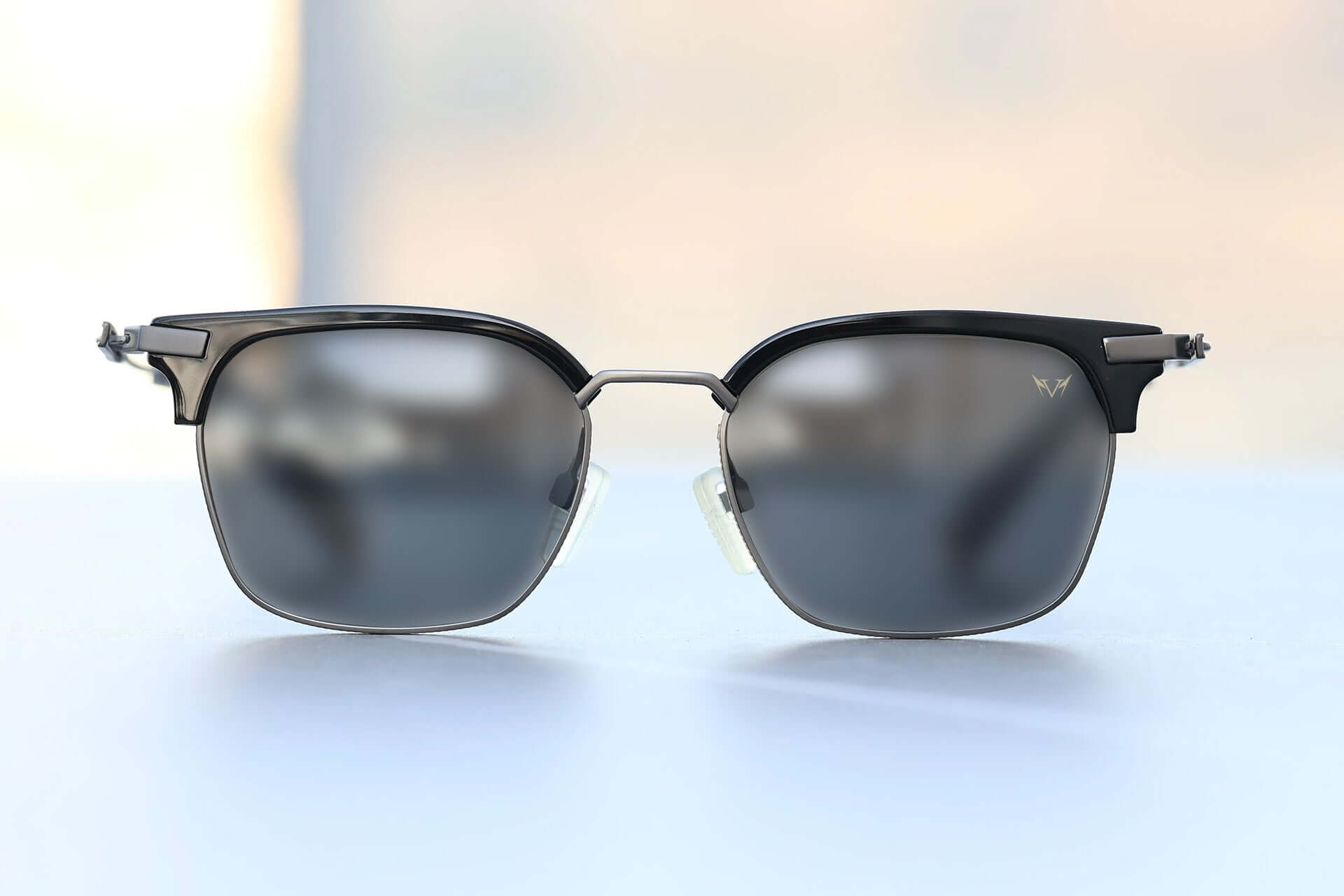
For driving, polarized sunglasses are usually the best choice because they help reduce reflected glare while improving road visibility. Gray and brown lenses are especially popular because they maintain natural color perception while improving contrast.
Comfort also matters during long drives. Lightweight frames with a secure fit tend to feel better during extended wear without creating pressure around the nose or temples.
Many drivers prefer polarized driving sunglasses with UV400 protection because they combine glare reduction with reliable eye protection during daytime travel.
Best Sunglasses for Beach and Water Activities
Beaches, lakes, and pools create some of the brightest outdoor conditions because water and sand reflect large amounts of sunlight. Without the right lenses, glare can become uncomfortable very quickly.
Polarized sunglasses are highly recommended for beach and water activities because they reduce harsh reflections from water surfaces and improve overall visual comfort. Mirrored lenses are also popular in extremely bright environments because they help reduce perceived brightness.
Wraparound frames or larger lenses can provide additional coverage by limiting sunlight entering from the sides.
For extended time near water, many people choose polarized beach sunglasses that combine UV400 protection with high-glare reduction for better comfort throughout the day.
Best Sunglasses for Hiking and Outdoor Adventures
Hiking and outdoor activities require sunglasses that balance protection, durability, and comfort. Uneven terrain, changing light conditions, wind, and long exposure to sunlight can all affect visibility during outdoor adventures.
For hiking, lightweight sunglasses with polarized UV400 lenses are often the most practical choice. Polarized lenses help reduce glare from rocks, trails, and reflective surfaces, while durable frames improve comfort during long wear.
Brown, amber, and green lenses are commonly preferred for hiking because they enhance contrast and depth perception in natural environments.
Outdoor enthusiasts also tend to prefer sunglasses with:
-
non-slip nose pads
-
secure frame grip
-
impact-resistant lenses
-
lightweight materials
These features help sunglasses remain comfortable during movement and long outdoor sessions.
Best Sunglasses for Sports and Active Lifestyles
Sports sunglasses need to stay secure during movement while maintaining clear vision in changing outdoor conditions. Activities such as cycling, running, tennis, and training often involve rapid movement and continuous sun exposure.
For active use, lightweight frames and impact-resistant lenses are especially important. Many athletes choose wraparound sports sunglasses because they provide wider coverage and remain stable during movement.
Polarized lenses can help reduce glare during outdoor sports, although some athletes prefer non-polarized lenses depending on visibility preferences and playing conditions.
Ventilated frames and sweat-resistant materials can also improve comfort during intense activities.
For outdoor performance and all-day wear, sports sunglasses with UV400 protection and durable lenses are usually the most reliable option.
Best Sunglasses for Travel
Travel often combines multiple environments including beaches, cities, airports, road trips, and outdoor sightseeing. Because of this, versatility becomes more important than specialized features.
Travel sunglasses should feel lightweight, comfortable, and easy to wear for extended periods. Polarized lenses are useful because they adapt well to bright outdoor conditions while helping reduce eye fatigue during walking, driving, or sightseeing.
Neutral lens colors such as gray or green usually work well for travel because they maintain balanced color perception across different environments.
Durable frames and scratch-resistant lenses are also helpful for frequent travelers who need sunglasses that can handle regular daily use.
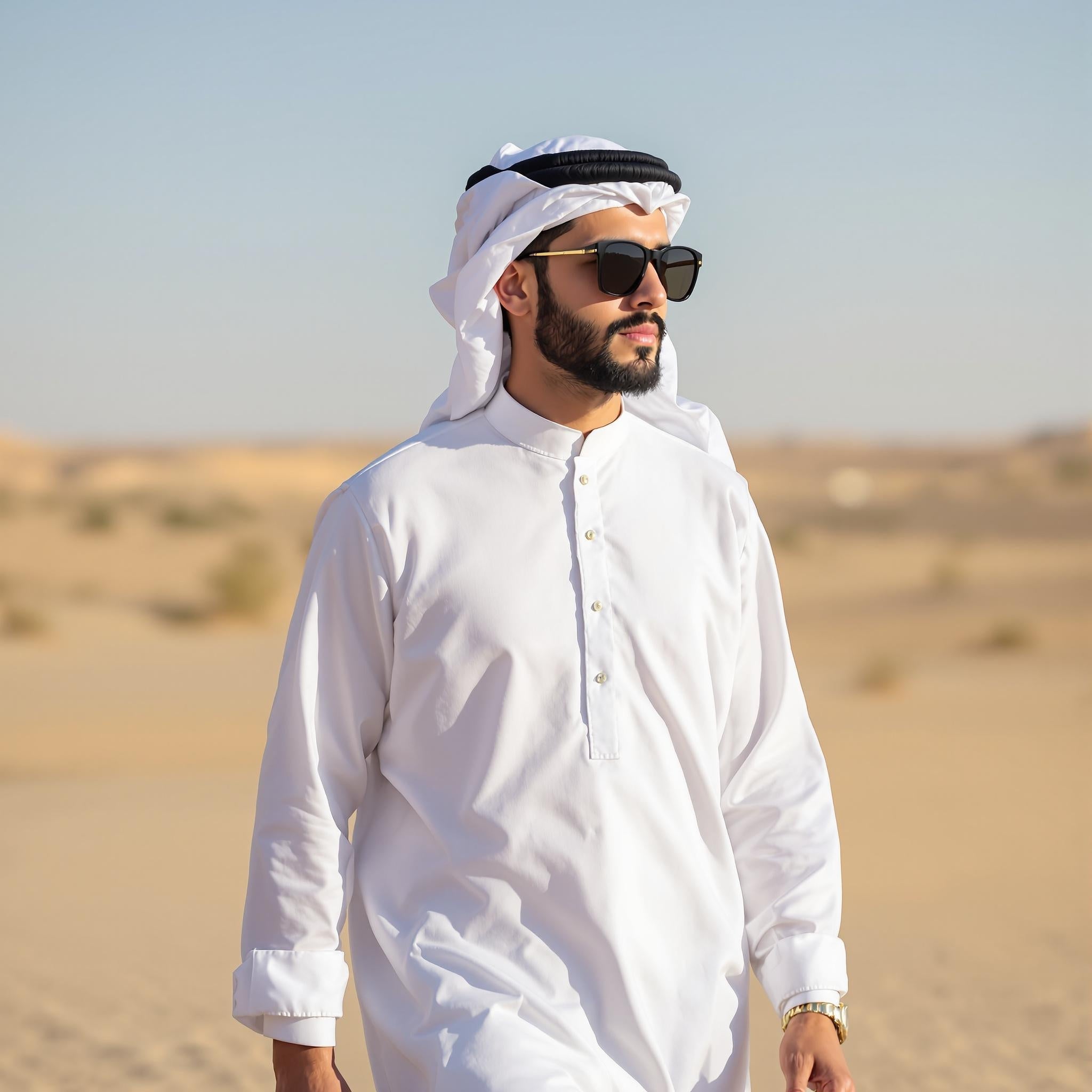
Many travelers prefer versatile polarized sunglasses that work equally well for city walks, outdoor dining, beach days, and road trips.
Best Sunglasses for Everyday Casual Wear
For everyday use, comfort and versatility are usually more important than highly specialized features. Casual sunglasses should feel comfortable enough for regular wear while still providing reliable UV protection.
Non-polarized sunglasses may be sufficient for people who spend most of their time in urban settings or indoors. However, polarized lenses can still improve comfort during outdoor commutes and sunny afternoons.
Frame style often becomes a bigger factor for casual wear, but lens quality should never be ignored. Even fashion-focused sunglasses should include proper UV400 protection.
For daily use, many people choose lightweight sunglasses with neutral lens tints and comfortable frames that work across multiple environments.
Choosing the Right Lens Color for Different Activities
Lens color affects contrast, brightness perception, and visual comfort. While lens tint does not determine UV protection, it can influence how sunglasses perform during different activities.
Gray lenses are one of the most versatile options because they reduce brightness while maintaining natural colors. They work well for driving, travel, and everyday use.
Brown and amber lenses improve contrast and depth perception, making them especially useful for driving, hiking, and outdoor sports.
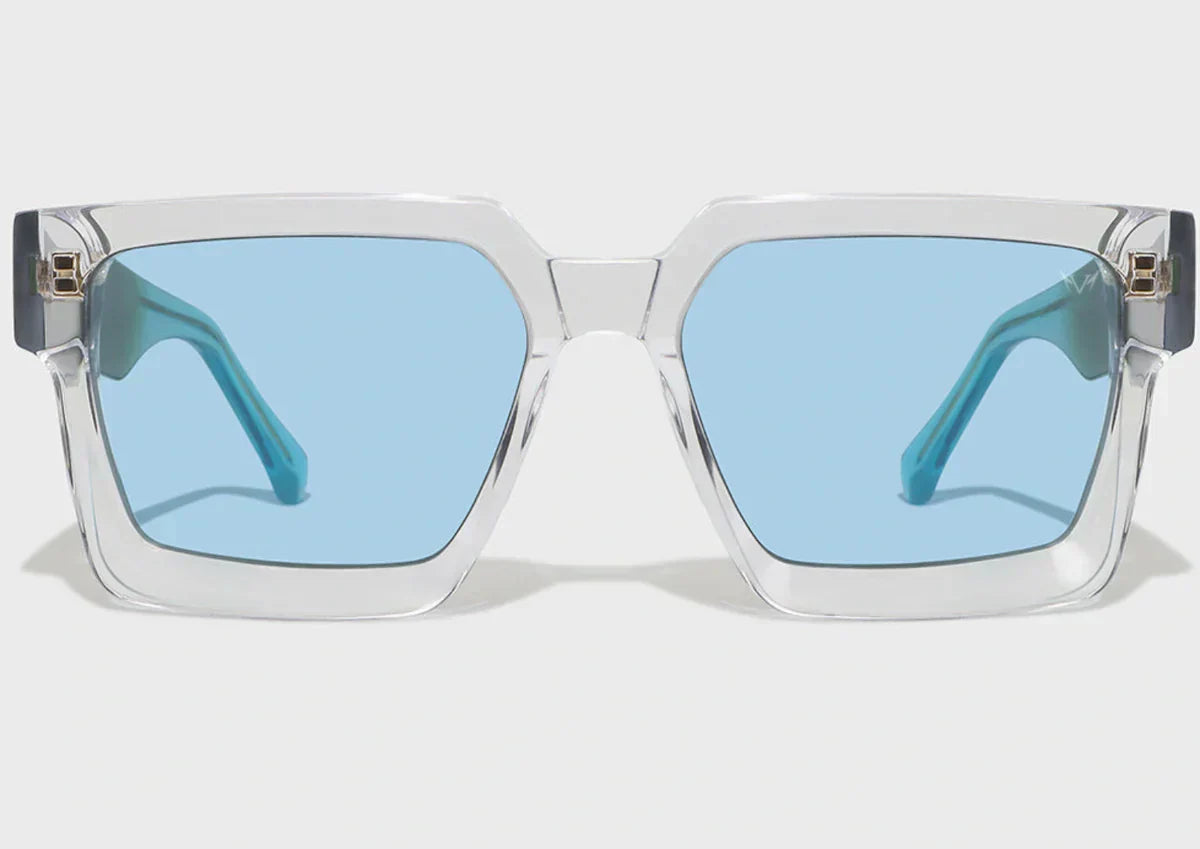
Green lenses provide balanced contrast and comfortable everyday visibility, while mirrored lenses help reduce brightness in highly reflective environments such as beaches or snow.
Choosing the right tint often depends on where and how frequently you plan to wear your sunglasses.
What to Look for When Buying Activity-Based Sunglasses
The best sunglasses combine protection, comfort, and functionality. While styles may vary depending on the activity, a few features remain important across almost every category.
When choosing sunglasses, prioritize:
-
UV400 or 100% UVA/UVB protection
-
comfortable frame fit
-
high-quality optics
-
durable lenses
-
activity-appropriate lens tint
-
adequate face coverage
For outdoor activities and driving, polarized lenses are usually worth considering because they improve comfort and reduce glare in bright conditions.
People who spend several hours outdoors each day often benefit from investing in higher-quality lenses that provide better clarity and long-term comfort.
Final Thoughts
The best sunglasses are not just about appearance, they should match the environments and activities that are part of your daily life.
For driving and outdoor use, polarized UV400 sunglasses often provide the best balance of comfort, glare reduction, and eye protection. Beach and water activities benefit from high-glare reduction and wraparound coverage, while sports and hiking require lightweight, durable frames that stay comfortable during movement.
No matter the activity, proper UV protection should always come first. Once that foundation is covered, factors like polarization, lens color, frame fit, and durability help determine which sunglasses will feel best for your lifestyle.
Choosing polarized UV400 sunglasses designed for your lifestyle can improve long-term comfort and outdoor visibility across different activities.